
Recipe by recipe
Comparing Men's Vitamin Formulas Side by Side
Two bottles can look identical and be built completely differently. This page compares men's multivitamin and herbal supplement formats against a fixed checklist: base vitamins, herbal layer, serving size, servings per container, format, and quality marks.
Step one
Pick your group first
Plant-based one-daily, broad "complete" formula, herbal collection, or store-brand tablet. Comparing inside one group is easier than comparing across them.
Step two
Read the panel the same way
Base vitamins and minerals for men first, then the herbal layer, then anything extra. Mark what you already get from food — the "complete" word becomes measurable that way.
Step three
Convert count into days
Divide the bottle count by the servings per container. A 120-capsule bottle at two capsules daily is 60 days — that number tells you more than the bottle size does.
The four product types in this market
Most products fall into one of four groups, and each has its own logic. A plant-based men's one-daily, like NATURELO's, is sold in 60- and 120-capsule sizes and positioned as vegan friendly, with a separate men over 50 version. A "complete" men's multivitamin such as NOW's ADAM lists a broad base plus specialized nutrients like saw palmetto, lutein, lycopene, CoQ10, and plant sterols. An herb collection, like GNC's men's herbal supplements category, is narrower and built around plant extracts. A store-brand tablet such as Target's up&up is the plainest option.
Comparing within a group is easier than comparing across them, so start by deciding which group fits your routine. That single decision removes most of the shelf before you read a single ingredient.
Plant-based versus standard
The plant-based label changes a few real things on the panel. Capsules replace tablets, which usually means no compression binders. Sourcing claims appear next to the vitamin names. NATURELO's line is a useful reference point because it documents the 60- and 120-capsule sizes openly, and it splits the range by age with the over-50 version.
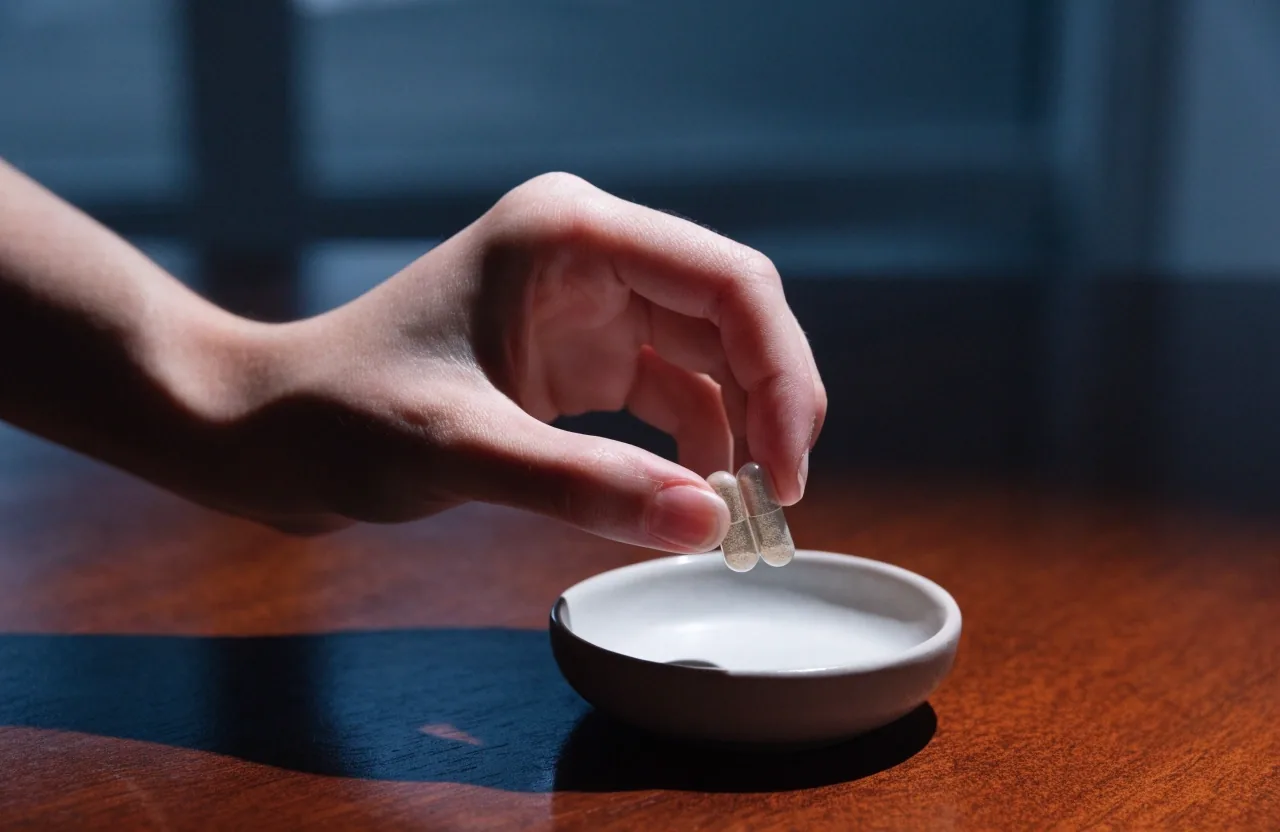
A standard men's multivitamin tablet can carry the same vitamins and minerals in a denser format at a lower cost per serving. Neither approach is better on its own — it depends on what you eat and how you take a daily formula. If you eat mostly plant-based food, the capsule format is easier to fit into that pattern.
See also: the ingredient guide, for how each base vitamin is described on a panel.
Plant-based one-daily
- 60-capsule and 120-capsule sizes
- Capsule format, no compression binders
- Sourcing claims printed beside vitamin names
- Range split by age, with an over-50 version
Standard tablet
- Compressed tablet, one unit per serving
- Denser format, wider count packs
- Same base vitamins and minerals possible
- Lower cost per serving as a rule of thumb

Two formats, one panelSame base vitamins, different carrier
What "complete" means on a label
When NOW describes ADAM as a complete men's multivitamin, it is pointing at the extras: saw palmetto, lutein, lycopene, CoQ10, plant sterols, plus the standard vitamins and minerals. That is a longer panel than a store-brand tablet carries.
The comparison question is whether the extras overlap with what you already get from food. Lutein and lycopene come from colored vegetables. CoQ10 and plant sterols are more specific. Read the panel, mark what you recognize from your own diet, and the "complete" claim becomes measurable rather than impressive.
From food
Lutein and lycopene — colored vegetables already put these on your plate.
More specific
CoQ10 and plant sterols — less likely to arrive from an ordinary daily menu.
Herbal layer
Saw palmetto sits in the plant-extract group rather than the vitamin group.
Herbal collectionsExtracts, not broad formulas
Herbal collections and single extracts
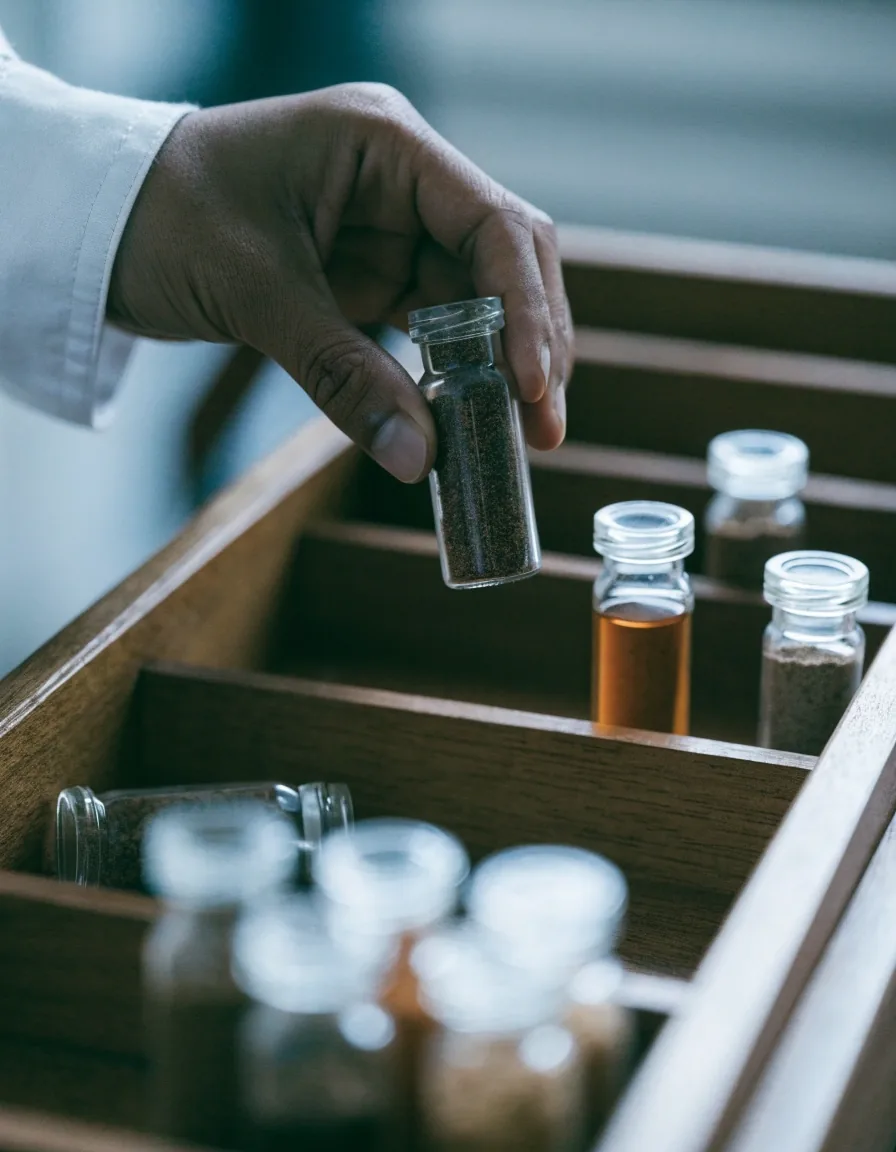
GNC's men's herbal supplements category is organized around energy, vitality, and overall wellness language, and one listed item is Yohimbe Extract 450 mg. That tells you how the category works: a collection of single-herb and small-blend products rather than one broad formula.
Comparing here means comparing extracts, not multivitamins. Check the milligram figure, the standardization, and whether the product is a single herb or a blend. A 450 mg single extract and a 450 mg total blend are very different things, even when the number on the front matches.
- Milligram figurewhat the number counts
- Standardizationsingle herb or blend
- Serving sizecapsules per day
Budget tier: what a store-brand tablet gives you
See also: the label reading and quality checks page for what to look for before the ingredient work begins.
Target lists its up&up Men's Daily Multivitamin as a dietary supplement for men, highlights support for bones, heart, and overall well-being, and sells it as a 100-count tablet pack. That is the budget benchmark: one tablet daily, broad vitamin and mineral coverage, no herbal layer.
It compares reasonably against premium daily formulas on the base nutrients and not at all on the extras. If your goal is nutritional coverage rather than a blend, this tier does the job and the comparison ends there.
Format and serving size
Format drives the serving math. Tablets compress a day's nutrients into one unit, which is why 100-count packs are common at the budget end. Capsules hold bulkier plant extracts, so a multivitamin-plus-herbs product often needs two or three capsules per serving. Softgels are for oil-based nutrients.
| Format | Typical serving | What it suits |
|---|---|---|
| Tablet | One unit per day; 100-count packs common | Broad base vitamins and minerals |
| Capsule | Often two to three capsules per serving | Bulkier plant extracts and blends |
| Softgel | Usually one per day | Oil-based nutrients |
As you compare, divide the count by the servings per container to get days of use. A 120-capsule bottle at two capsules daily is 60 days. That number, not the bottle size, tells you the real cost.
Quality marks as a comparison filter
Before comparing ingredients, filter by verification. Harvard Health's supplement safety guidance recommends the USP Verified mark, and it is used as a quality cue on some U.S. men's multivitamins. For products sold in Indonesia, BPOM registration is the equivalent first check.
Filtering first is efficient: it removes products you cannot verify, and what remains is a shorter list that is actually worth the ingredient-by-ingredient work.

Paper, not promisesVerify before you compare
A worked comparison
Take three daily options. The store-brand tablet gives one serving of standard vitamins and minerals. The plant-based one-daily gives a similar base in capsule form across 60 or 120 capsules, with a vegan friendly claim. The "complete" formula adds a set of specialized nutrients on top.
Store-brand tablet
Standard base, one tablet daily
Broad vitamin and mineral coverage, no herbal layer, 100-count pack. Covers the base and stops there.
Plant-based one-daily
Similar base, capsule format
60 or 120 capsules, vegan friendly claim, range split by age. Same vitamins and minerals class as the tablet.
"Complete" formula
Base plus a longer extra list
Saw palmetto, lutein, lycopene, CoQ10 and plant sterols added to the standard base. Longest panel of the three.
If you write the three panels next to each other, the base overlaps heavily and the differences sit in the extras and the format. That is the whole comparison method. Apply it to any two natural supplements for men on a shelf and you will get the same clarity.
Base overlaps. Extras decide. Format sets the daily math.
See also: energy and endurance formulas, when the herbal layer is the whole shopping reason.
Questions that come up while comparing
Is a 120-capsule bottle better value than a 100-tablet bottle?
It depends on the serving size. Divide the count by servings per container to get days of use, then compare. A bottle with more units but a two-capsule serving can last fewer days than a smaller bottle with a one-tablet serving.
What makes a plant-based men's multivitamin different from a standard one?
Format and sourcing claims, mainly. Plant-based lines typically use capsules rather than tablets, document their sizes clearly, and split the range by age, as NATURELO does with its men over 50 version. The vitamin and mineral content can still overlap with a standard tablet.
How do I compare an herbal collection against a daily multivitamin?
Treat them as two different shelves. A herbal collection is a set of single-herb and small-blend extracts, so the useful figures are the milligram amount, the standardization, and whether the product is one herb or a blend. A daily multivitamin is compared on its base vitamins, minerals, and extras. The two only meet if you intend to take both.
Where should the quality check happen in the process?
First. USP Verified is the mark Harvard Health's supplement safety guidance recommends as a quality cue, and for products sold in Indonesia, BPOM registration is the equivalent first check. Filter the shelf before you spend an afternoon on ingredient panels — the list gets much shorter.
Still weighing a specific formula?
Bring the panel you are comparing and we will go through the same checklist with you — base vitamins and minerals for men, herbal layer, serving size, servings per container, format, and quality marks. No prices, no rankings, just the differences.
TopVital Indonesia, Jl. Soekarno-Hatta No. 12, Malang, 65141. Monday to Friday 09:00–18:00, Saturday 09:00–14:00. Call +62 341 450 073 or email [email protected].
- Ask about a specific formula
- See the ingredient guide
- Use the label checklist
- Compare energy and endurance formulas
- Read the healthy lifestyle guide
These products are food supplements, not medicines. Please consult a qualified professional if you are unsure whether a formula fits your routine.