
TopVital Indonesia TopVital INDONESIA
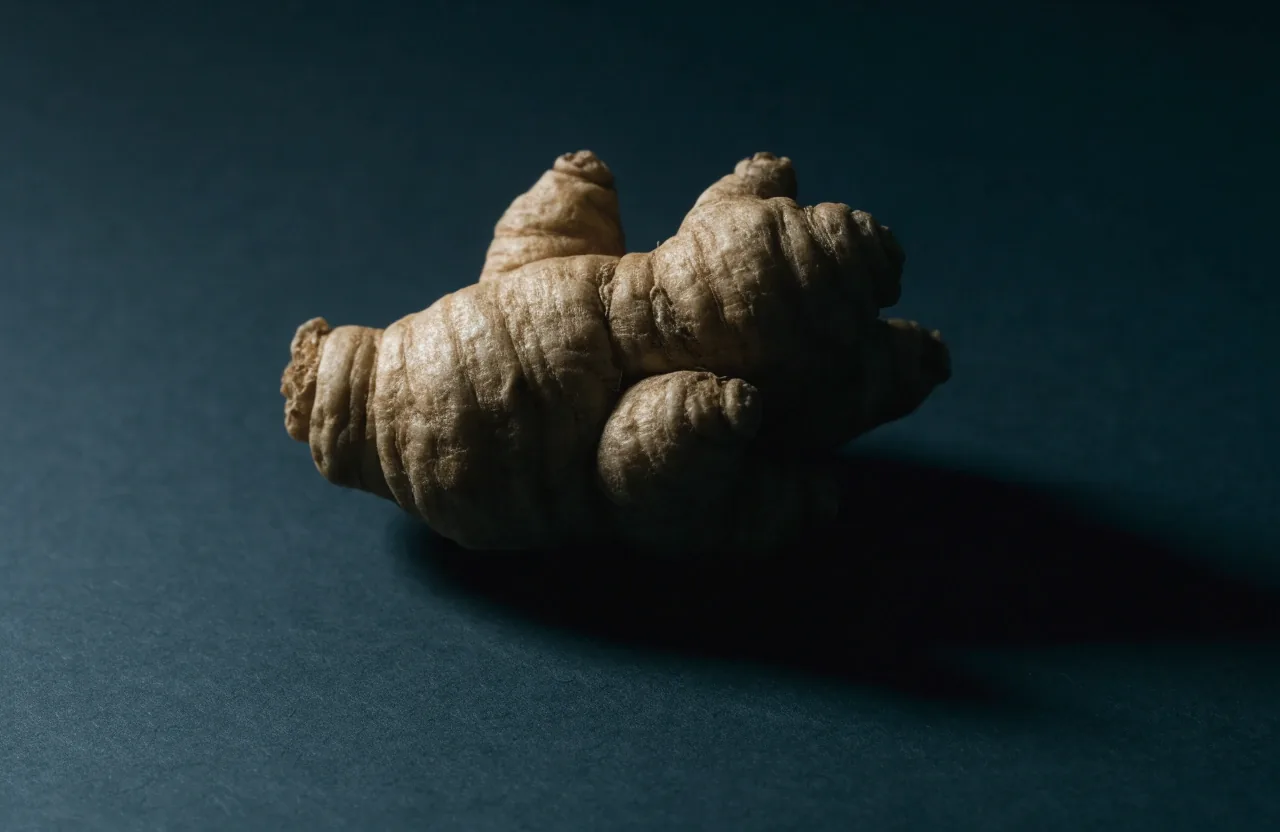
A dried panax ginseng root on matte dark card stock under one cool reading light

What's Inside Men's Formulas

Herb names on a label run together fast. This guide takes the common ones one at a time — what each is, how it arrives, and how to spot it in a composition list.

See also: the comparison page applies the same reading method to formats side by side.

Start with the base, not the herb name

Underneath the botanicals, every natural supplement for men starts with a vitamin and mineral base. That base is where most men's vitamin formulas overlap with ordinary food intake, and it is also the part where format changes the numbers: a one-daily tablet has to compress everything into a single serving, so bulky minerals cannot fit at a high amount. Some manufacturers split B vitamins and minerals across two tablets or capsules for that reason.

The practical order is simple. Read the base before the herbs. If two products carry a similar vitamin and mineral profile, the herbs become the real choice between them — and the section below walks through each botanical you are likely to meet.

Index of common ingredients

Four botanicals, one shelf of vitamins

Panax ginseng

This is the herb you will see most often, and one of the most common herb names across the whole category. It is used in multi-herb vitality blends rather than on its own, so it usually sits third or fourth in a composition list behind the vitamins. Note whether the label names a root powder or a standardized extract — that difference affects how much of it is in each capsule.

Commonly seen in: Watsons Indonesia's NATURELINE men's formula.
Tribulus terrestris

Tribulus is interesting for a different reason. It appears mostly in ingredient roundups and editorial discussions rather than on branded retail pages, which is unusual for a name this familiar. It is typically grouped with other botanicals in vitality formulas, so a tribulus product is usually a blend rather than a single-herb capsule.

Reading tip: count how many extracts a blend contains and check their order.

Ginkgo biloba

Ginkgo biloba is included in Watsons Indonesia's men's capsule formula, and it often appears in multi-ingredient herbal products rather than alone. In wellness branding it is tied to circulation and alertness language, which is why it tends to sit in formulas aimed at active users. Standardization matters here too: look for a percentage extract on the label rather than a plain leaf powder.

Supporting ingredient: its position in the composition list tells you how much of the blend it accounts for.

Saw palmetto

Saw palmetto shows up in broader men's multivitamins as one of several specialized nutrients. NOW's ADAM brochure lists saw palmetto, lutein, lycopene, CoQ10, and plant sterols alongside the standard vitamins and minerals, and describes the product as a complete men's multivitamin. What that word usually means is that the manufacturer added a set of extras on top of the base vitamins.

The composition list is where you check whether those extras matter for your diet.

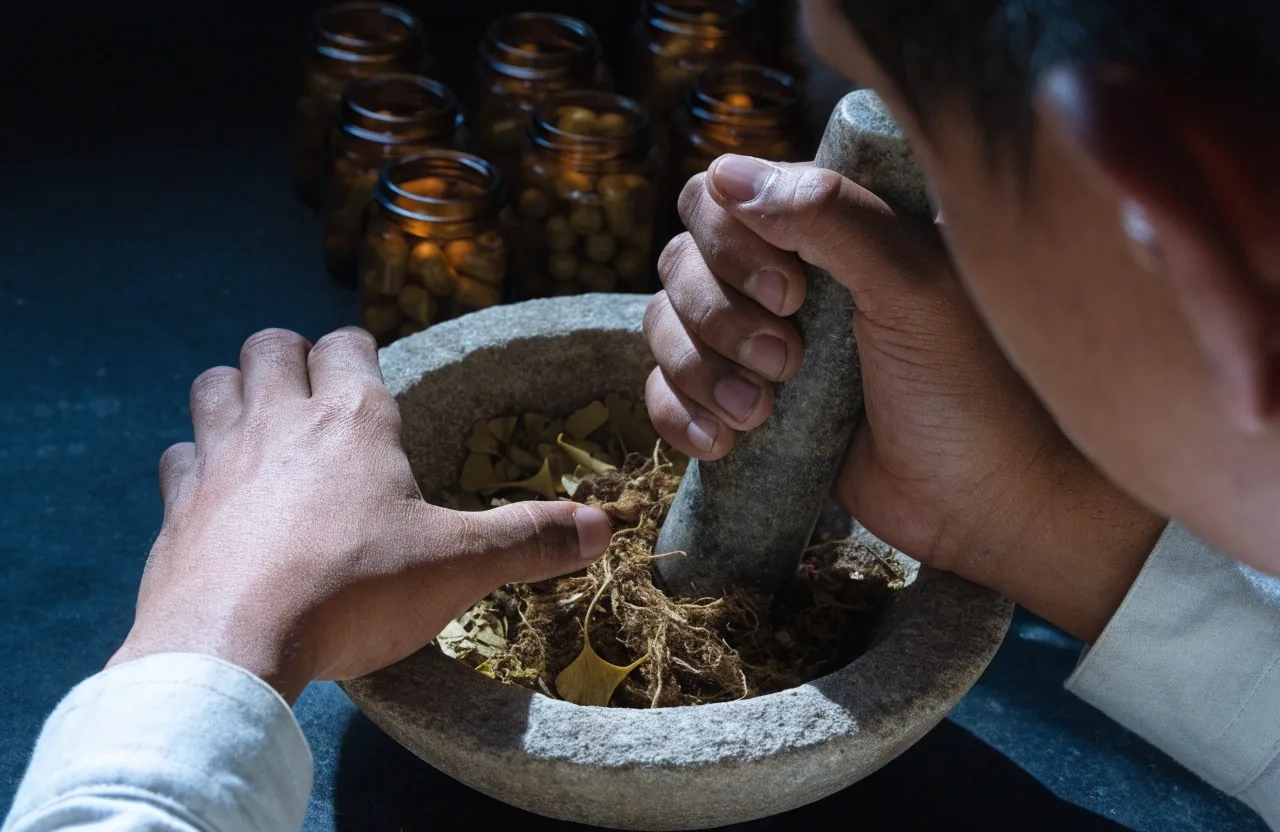
A mortar and pestle on a matte grid-printed surface under one cool overhead light

Whole herbs meet standardized extracts in most blended formulas

Paper is photographed as paper — the label close-up stays out of focus on purpose.

Standardized extract versus powder

This distinction decides quality more often than the herb name does. A standardized extract states a percentage of a marker compound, which means the manufacturer measured something. A plain powder does not. Neither is automatically better for your purposes, but only one of them is verifiable from the label.

On Indonesian retail pages, standardized extracts tend to appear in capsules and plain powders in larger tablet formats. Scan for the percentage and you will learn more in five seconds than the front of the bottle will tell you.

On the panel

A percentage next to an herb name means a marker compound was measured. A bare herb name with no percentage is a powder or a blend, and the amount per capsule stays unknown.

On the shelf

Extracts usually arrive in capsules because the measured material is concentrated. Larger tablets commonly carry the plain powders that fill out a blend.

Almost every botanical here plays a supporting role.

Ginseng, ginkgo, tribulus and saw palmetto rarely carry a formula alone. The combinations exist because that is how the category evolved, not because they were designed together.

How to read the ingredient panel

Start with the serving size, then the servings per container, then the composition list in order of quantity. Anything below the vitamins is usually an extract blend, and blends are often listed with a total milligram figure rather than individual amounts. That is legal and common, but it tells you less.

If the same plant appears in two products at very different positions in the list, trust the position. Amounts by order are the one piece of information the panel cannot quietly fudge.

Check labels and registration

Step one

Read the serving size and the servings per container before anything else. A blend looks generous on a label that quietly asks for three capsules per day.

Step two

Move down the composition list in order of quantity. Vitamins and minerals sit at the top in most men's vitamin formulas; the herbs follow underneath.

Step three

Mark where the extracts begin. Everything below that line is a blend, and a blend total in milligrams rarely survives being divided across its own ingredient list.

Step four

Compare two labels by position, not by the front of the bottle. Position is the honest measure of what a formula actually leans on.

Formats change what fits in a serving

Natural capsules for strength and vitality carry concentrated extracts well. Tablets press everything into a single shape, which suits the vitamin and mineral base and the bulky minerals inside it. Energy and endurance formulas often land in either format depending on how many herbs the blend carries.

The menu below is a reading aid, not a ranking. Use it to know what to look for on a panel before you decide anything about a product.

  • Capsule Suits standardized extracts and multi-herb blends where each plant carries a percentage.
  • Tablet Carries a wide vitamin and mineral base, and often the plain powders that fill out a blend.
  • Two-tablet serving Split across a day so bulky minerals and B vitamins can each fit at a workable amount.
  • Powder scoop Rarer in this category, but it lets a larger scoop carry more raw botanical material.
A magnifier resting at an angle across a blank paper card surface under a cool raking light

Label surface out of focus — the texture is the point, not the wording

Bring a magnifier to the shelf; the small print is where the differences live.

Questions that come up when reading labels

Why do so many men's formulas include ginseng, tongkat ali, or saw palmetto?

These are familiar names in the category, and familiarity sells. Ginseng is one of the most common herb names in men's wellness products and appears in multi-herb blends. Saw palmetto is common in broader multivitamins. Tongkat ali sits in the same family of botanicals that manufacturers group into vitality formulas.

Does a standardized extract cost more?

Usually, because measuring a marker compound adds a production step. Whether that matters depends on what you want from the product. The label is the only place the difference shows up.

Is a longer ingredient list a better formula?

Not on its own. A long blend can carry a small amount of each plant, and a blend total in milligrams hides how the numbers divide. A shorter list with stated percentages tells you more per line than a longer one without them.

Where can I see this method applied to real products?

The comparison page puts formats side by side using the same steps: serving size, base vitamins, then the extracts in order. The lifestyle guide covers how a formula fits into an everyday routine, which is where most of the practical difference shows up.

Compare formats side by side

Capsules, tablets and split servings placed next to each other, read with the same four steps used above.

Compare formulas side by side

Check labels and registration

What to look for on an Indonesian retail listing, and which registration details a label is expected to carry.

Check labels and registration

Fit a formula into the week

Serving times, storage and how healthy lifestyle products sit alongside ordinary meals and training.

Read the lifestyle guide

Everything on this page describes food supplements and traditional herbal formulas, not medicines. If you take any regular product or have a health question, ask a qualified professional before adding something new to your routine. You can reach the TopVital Indonesia desk at [email protected] or +62 341 450 073, Monday to Friday 09:00–18:00 and Saturday 09:00–14:00.